How to Make the Most of Your Kitchen Budget
At Made in Ply, we believe a beautiful kitchen isn't necessarily about spending more on everything. It's about making thoughtful choices, choosing quality materials and investing in the details that really matter to you.
Whether you're planning a fully custom plywood kitchen or combining standard IKEA, Howdens or Wren cabinets with Made in Ply fronts, here are some of our favourite ways to make the most of your kitchen budget...
1. Start with a really good layout
Before getting caught up in colours, finishes and handles, it's worth spending time thinking about how your kitchen will actually work.
A well-considered layout can make more difference to everyday life than adding lots of extra cabinetry.
Think about how you cook, where you naturally gather, what you'd like to keep close to hand and which parts of your current kitchen frustrate you.
Do you need more preparation space? Somewhere to hide away the toaster and coffee machine? A kitchen island where family and friends can gather?
Sometimes a small adjustment to the layout can make a surprisingly big difference, without necessarily adding more cabinets.
If you're starting from scratch, a kitchen planning appointment with IKEA, Howdens or Wren can be a useful first step. Their planning tools help establish what fits within your space, giving us a practical foundation to develop further.
2. Consider combining standard cabinets with custom design
Not every kitchen needs to be made entirely from scratch.
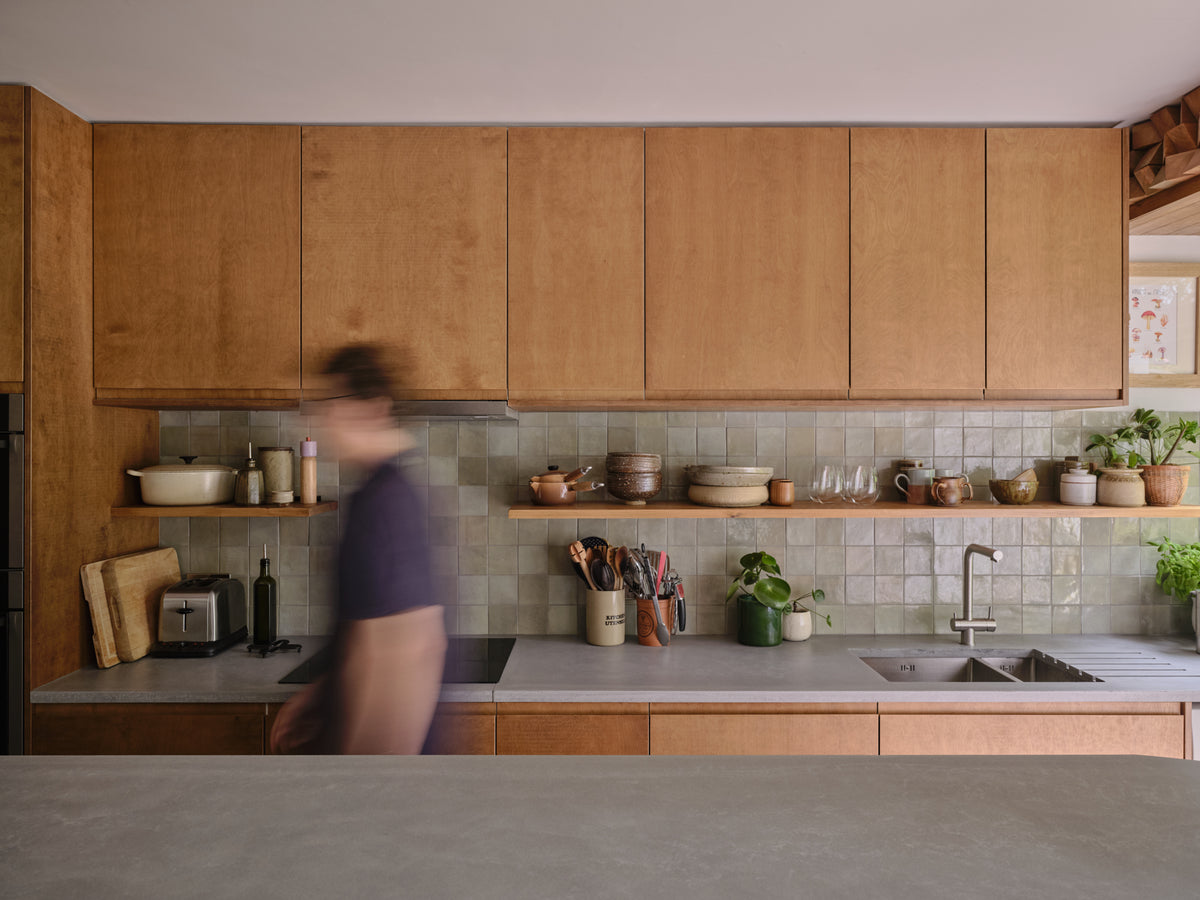
One of the ways to make the most of your budget is to use standard kitchen cabinets as a foundation, then introduce custom Made in Ply fronts, panels and plinths.
This allows you to invest in beautiful materials and a considered finish while making use of the practical cabinet systems offered by IKEA, Howdens and Wren.
You can also take this a step further with a hybrid kitchen, combining standard cabinets with individually made elements such as larders, bookshelves, wine racks or open shelving.
It's an approach we particularly enjoy because it gives us the freedom to introduce character and thoughtful details exactly where they're needed.
You might choose to keep the main kitchen layout relatively simple, then invest in a beautifully designed larder or a custom island feature that becomes a focal point of the space.
For more information on the different approaches, read our guide to the cost of a plywood kitchen.
3. Choose your plywood carefully
The type of plywood you choose can have a significant influence on both the appearance and cost of your kitchen. Each species has its own character, from the pale simplicity of birch to the richer tones of walnut and sapele.
Birch plywood
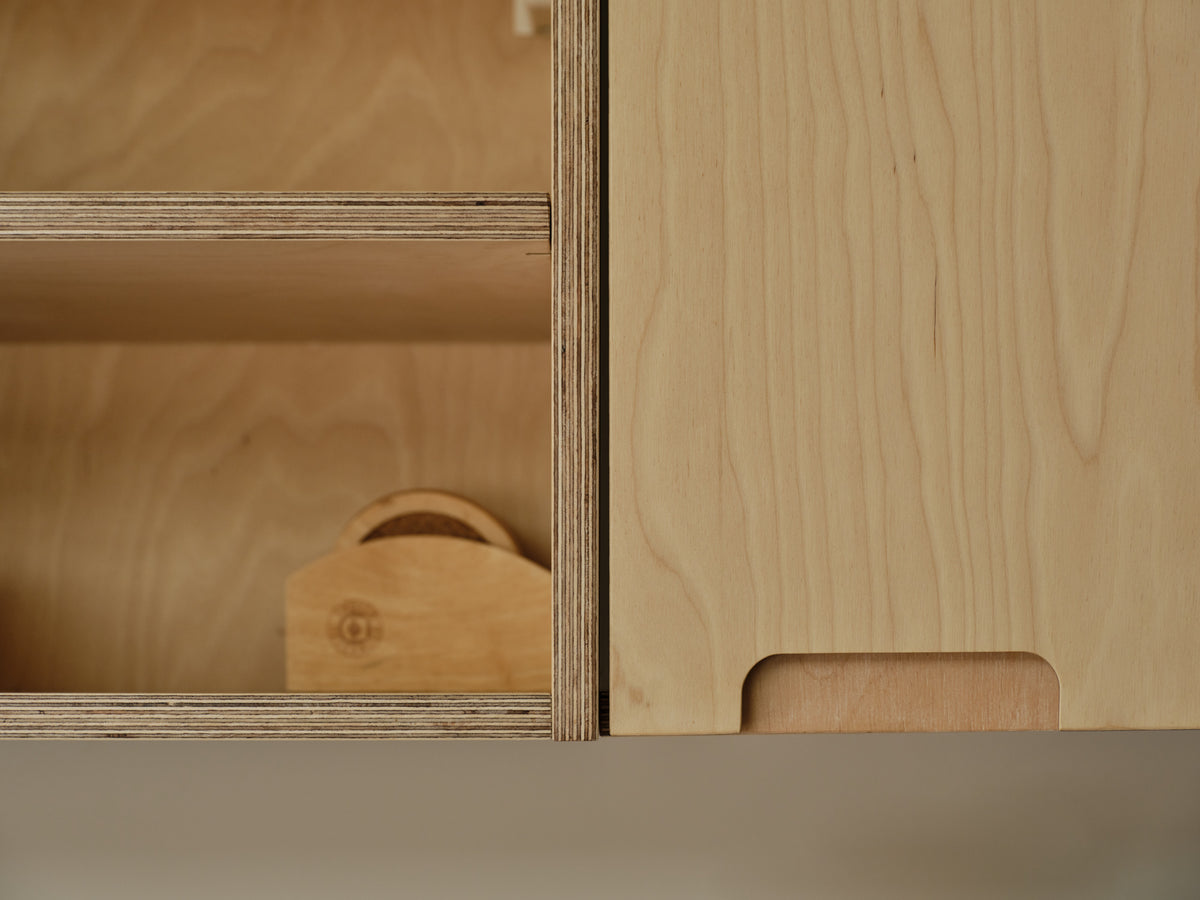
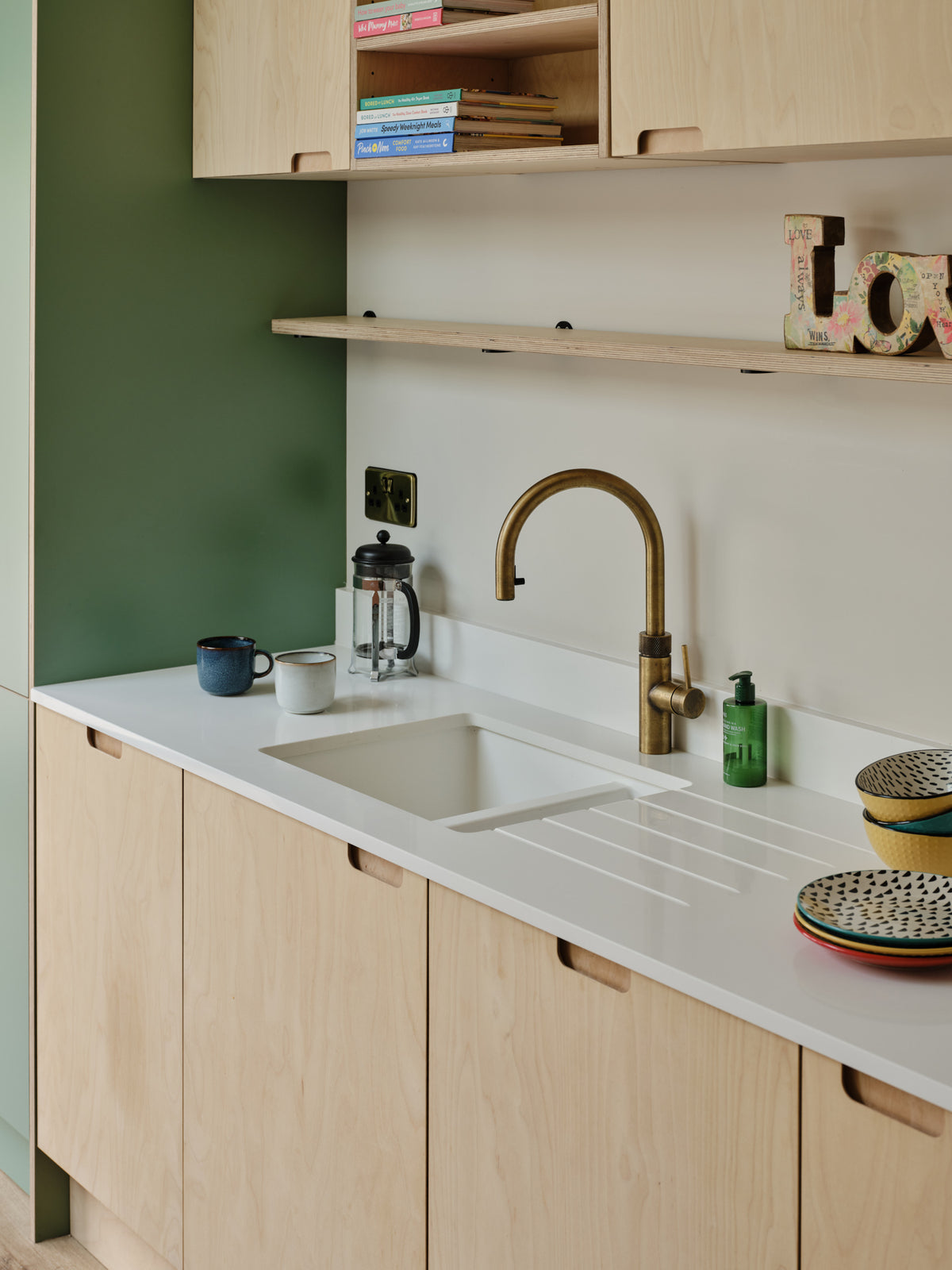
Birch is generally our most accessible plywood option in terms of price, but it's also a beautiful material in its own right.
Its pale colour and subtle grain create a light, contemporary feel, while the distinctive layered edges give it that unmistakable plywood character.
Birch works particularly well alongside coloured Formica, allowing the natural plywood edges to provide warmth and contrast.
Oak plywood
Oak has a warmer, more textured appearance, with a familiar natural grain that works beautifully in both contemporary and traditional spaces.
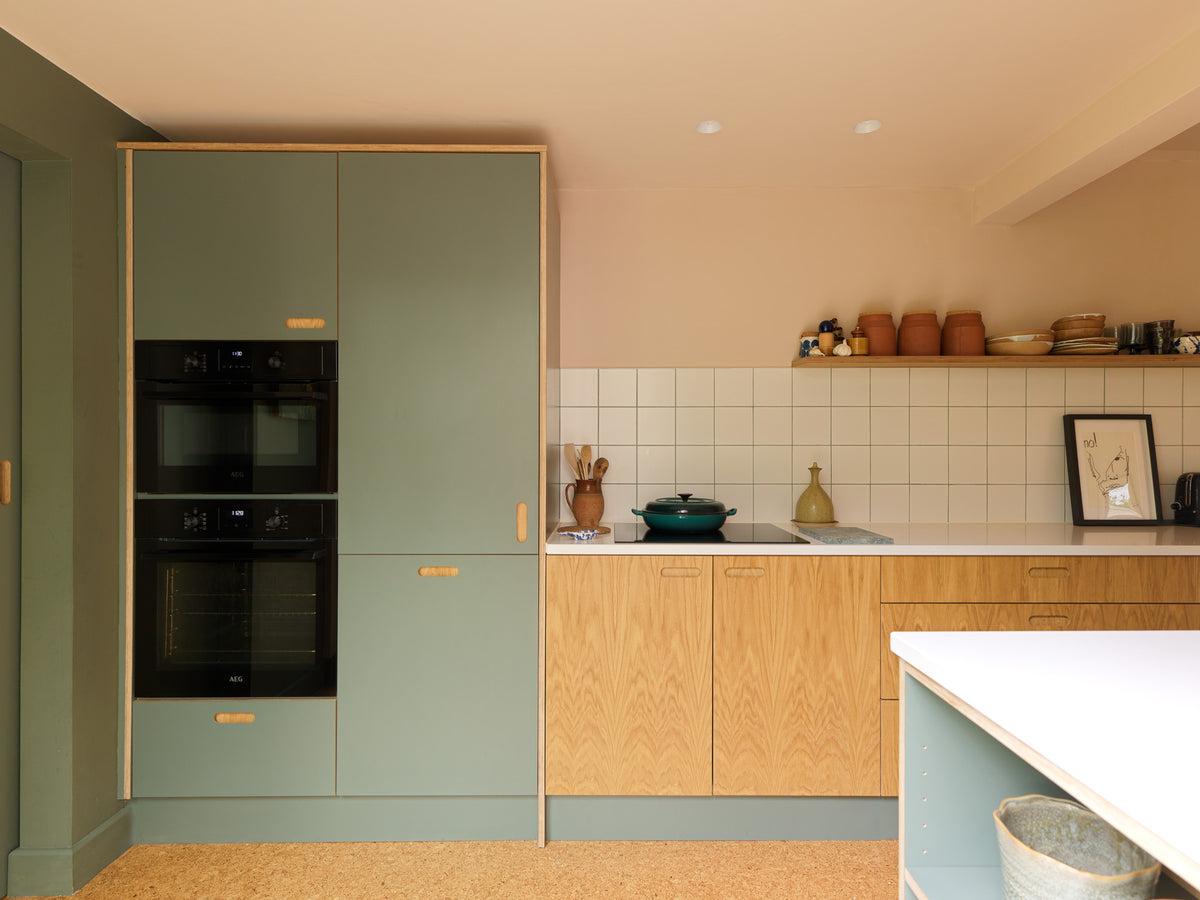
It's a lovely choice if you're looking for a kitchen with a softer, more natural feel, particularly when paired with muted greens, warm neutrals or earthy tones.
Cherry, Sapele, Maple and Walnut plywood
These plywoods offer a different palette of natural tones and grain patterns.
Cherry brings warmth, sapele offers a rich reddish-brown colour, maple has a lighter, understated appearance and walnut introduces deeper, darker tones.
These materials generally sit at a higher price point than birch, so it's worth considering whether you want to use them throughout the kitchen or introduce them in selected areas.
There's no need to choose the same material for every part of your kitchen.

4. Mix materials to create interest
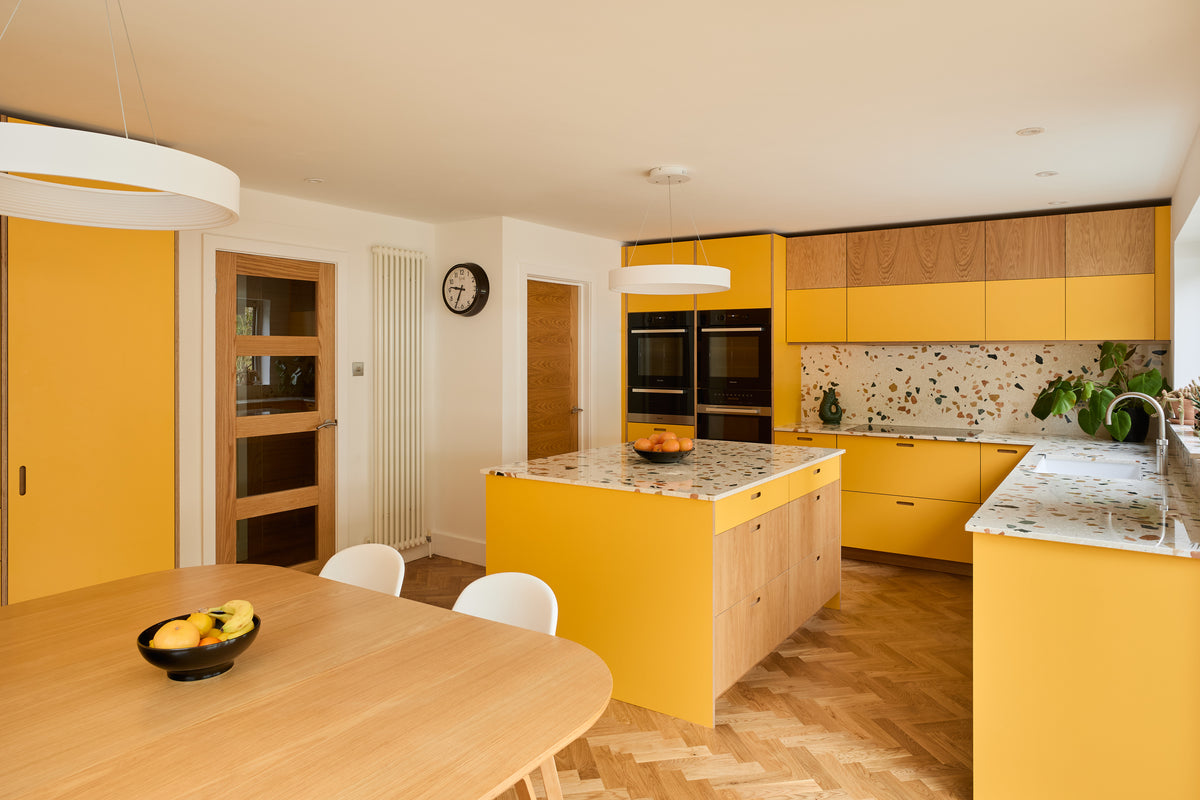
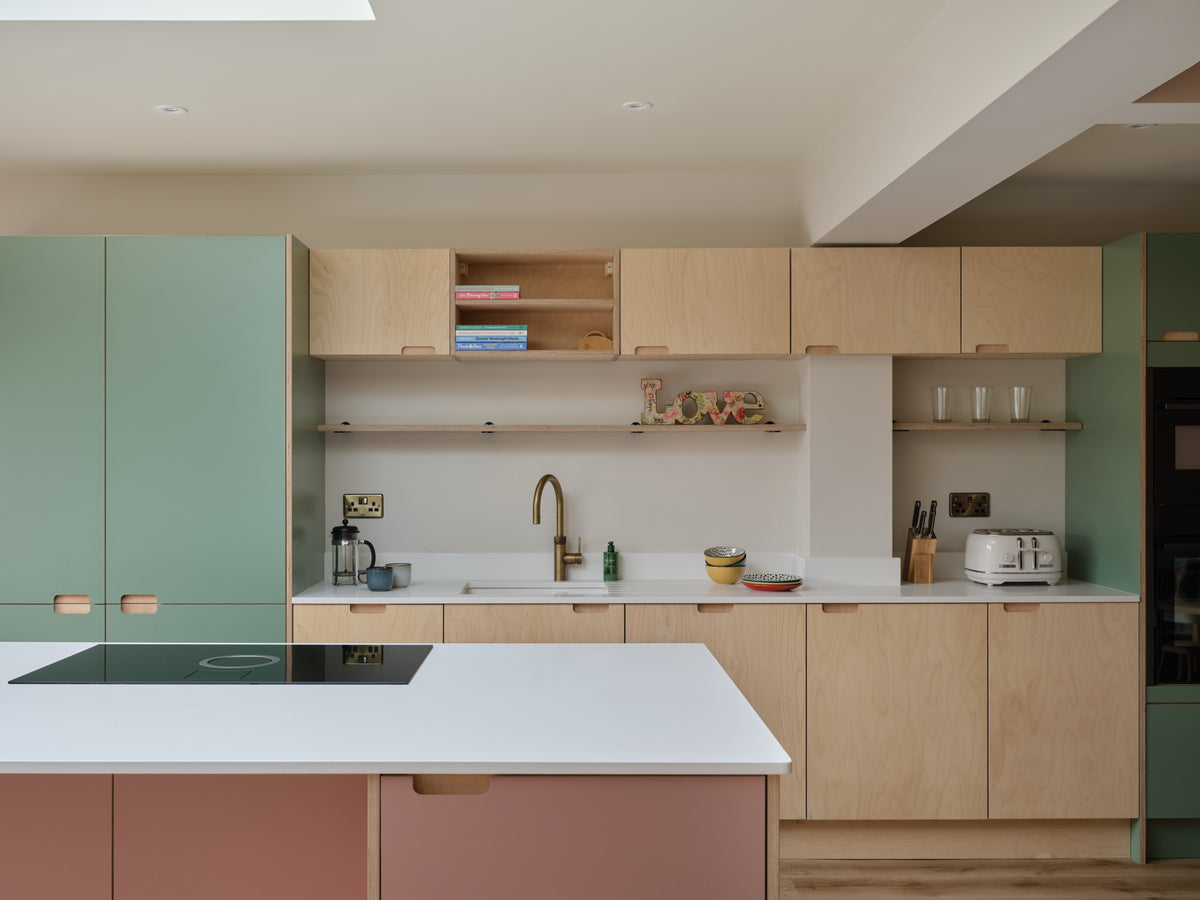
One of our favourite approaches to kitchen design is combining natural plywood with coloured surfaces.
Formica offers an enormous choice of colours, from soft neutrals to bold, playful shades, while Fenix provides a distinctive super-matt, soft-touch finish.
Combining these with natural plywood can create a kitchen that feels layered, warm and completely individual.
You might choose oak plywood for an island and a soft green Formica for the surrounding cabinets, or use birch plywood alongside a more playful combination of colours.
Mixing materials isn't necessarily about reducing costs. Depending on the finishes you choose, it may cost more or less than using one material throughout.
Instead, it's about using each material where it works best, creating contrast and giving different areas of the kitchen their own character.
It's also a wonderful way to introduce personality without needing an overly complicated design.
Take a look at our latest kitchen projects for inspiration on combining plywood and colour.

5. Invest in the custom features you'll use every day
It's tempting to include every clever storage idea you come across, but we'd always recommend thinking carefully about which features will genuinely improve your everyday life.
A beautifully designed larder might be the perfect addition for someone who loves cooking and needs organised storage.
For another household, open shelving for cookbooks and ceramics might be far more useful.
Some of the custom features we regularly explore with clients include:
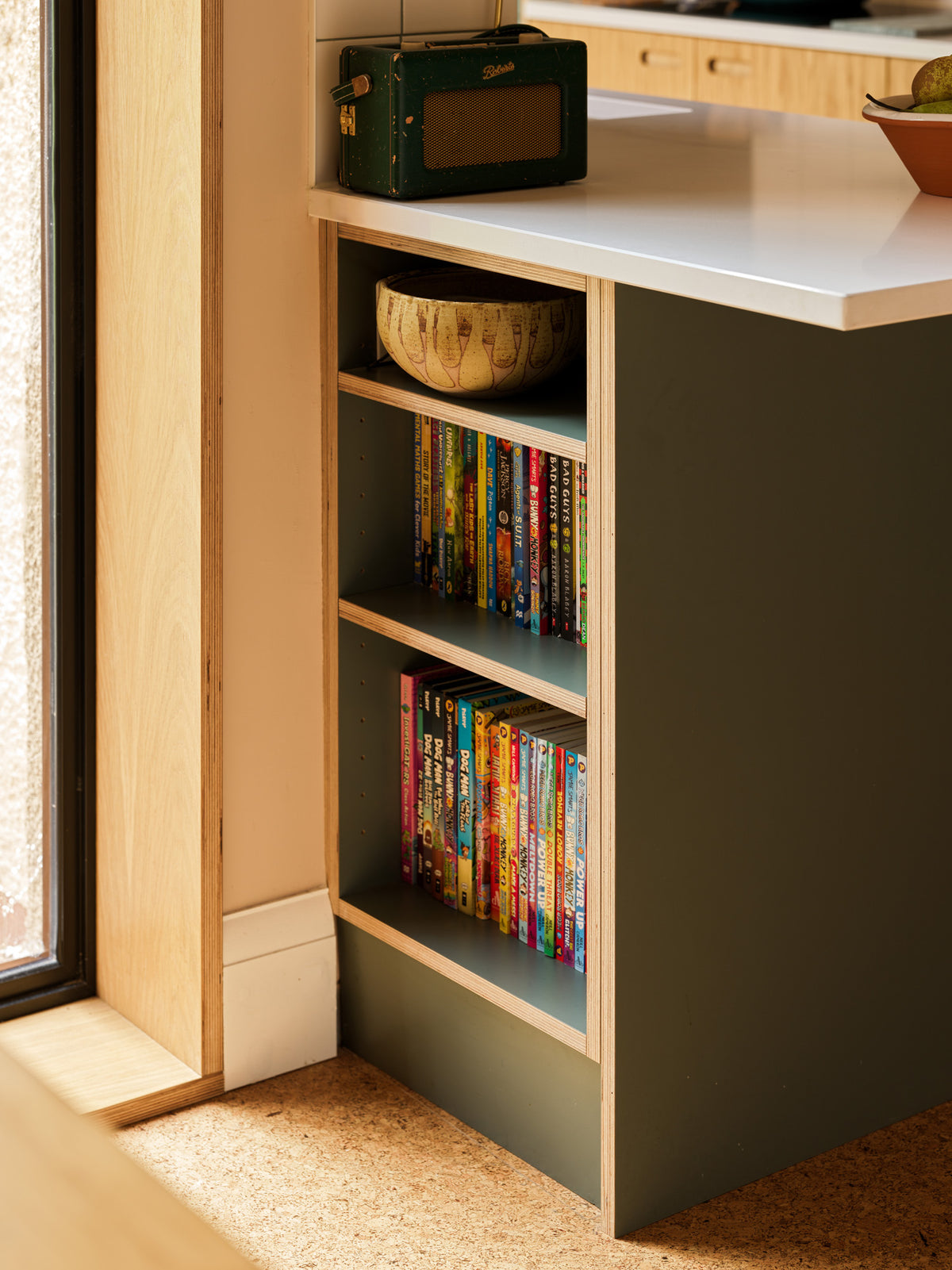
- Larders and breakfast cupboards: Dedicated spaces for food, small appliances and everyday essentials.
- Open shelving: Perfect for displaying favourite objects while keeping frequently used items within easy reach.
- Wine racks: Integrated into the kitchen layout rather than added as an afterthought.
- Kitchen island storage: Open shelves, chopping board slots or additional storage on the ends of an island.
- Bookshelves and wall box shelving: A lovely way to make the kitchen feel more connected to the rest of your home.
- Window seats and benches: Creating practical seating and making use of spaces that might otherwise be overlooked.
These details are individually designed and made as part of larger kitchen projects. Rather than adding custom features everywhere, choosing one or two that really matter can make a kitchen feel incredibly personal.
6. Keep some elements simple
Not every part of your kitchen needs to be a statement.
Sometimes the most successful designs are the ones that balance a few special features with quieter, more understated elements.
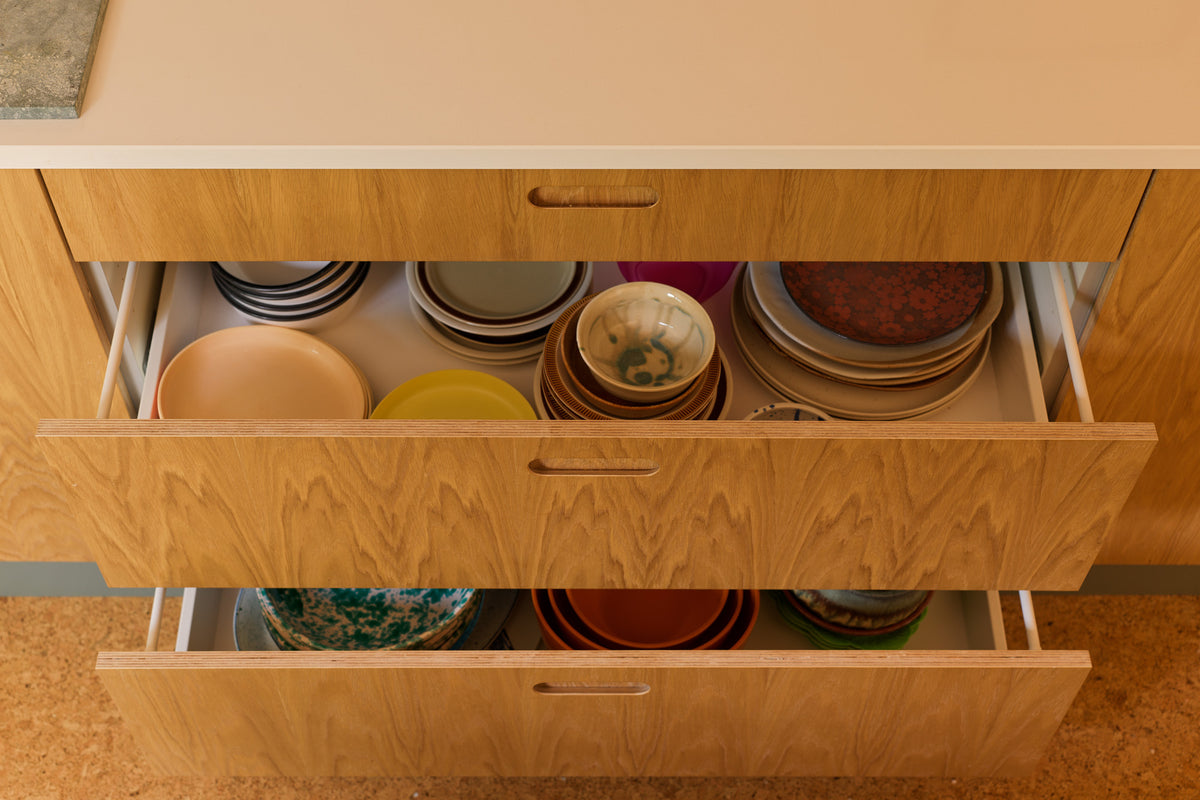
A simple run of plywood cabinets can look beautiful alongside a more detailed island. Equally, a colourful kitchen might benefit from natural timber shelving or a restrained choice of handles.
Keeping some elements simple can help create a cohesive design and allow the materials themselves to shine.
It can also help you focus your investment on the areas that will have the greatest impact.
7. Think about the whole room, not just the cabinets
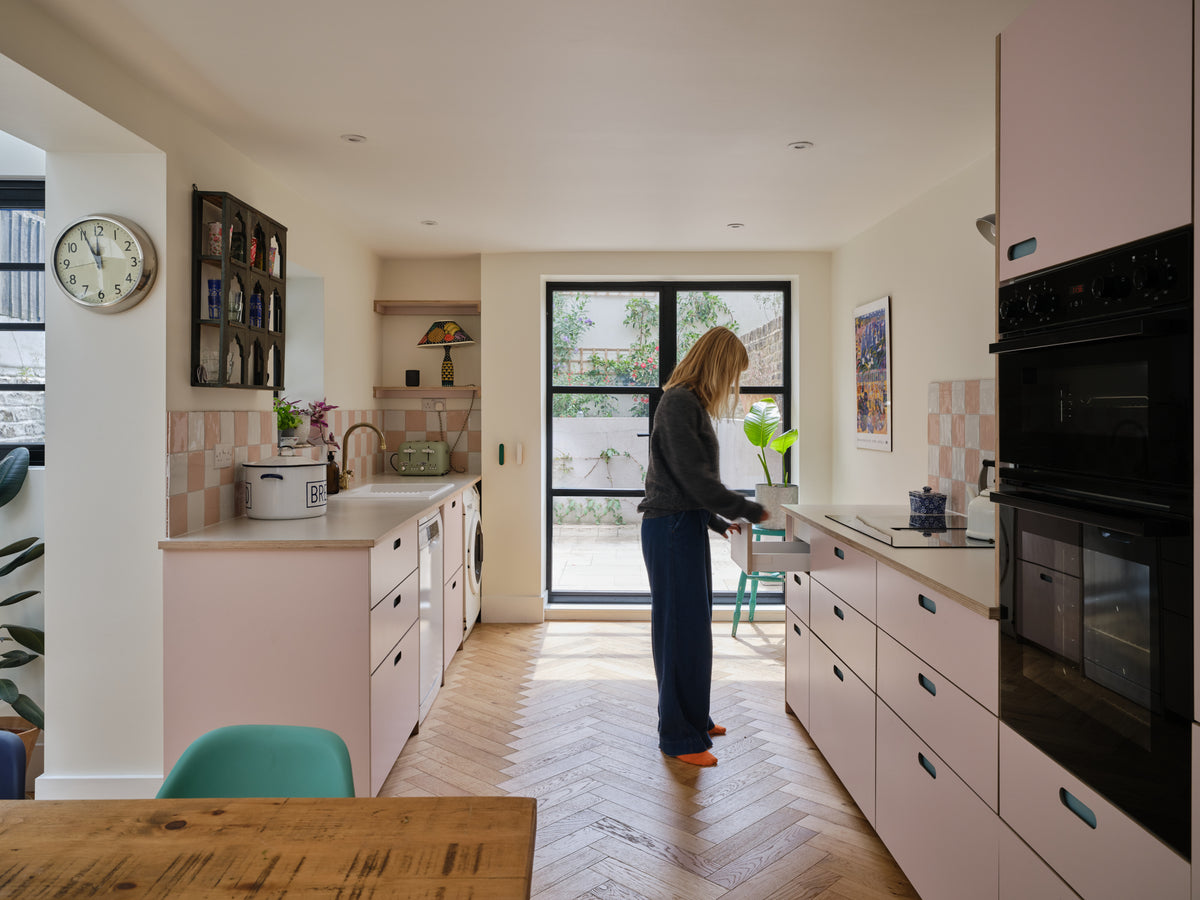
Your kitchen doesn't exist in isolation. Flooring, wall colours, lighting and the relationship between the kitchen and surrounding spaces all influence how the finished room feels.
Sometimes a relatively simple kitchen design can feel particularly special because of the way the materials work with the rest of the space.
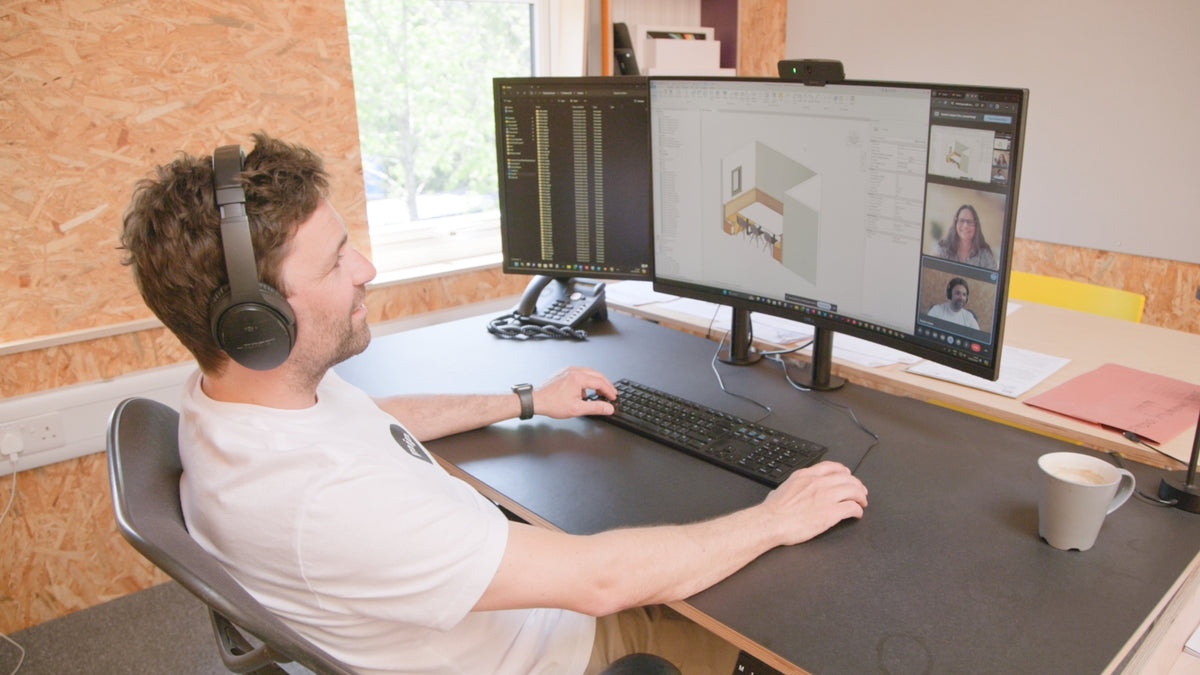
At Made in Ply, our design process allows us to explore these elements together.
You'll work directly with Dan, our founder and a trained architect, using a live 3D model of your space.
We can introduce wall finishes, flooring and different material combinations into the model, helping you visualise how everything will come together.
This collaborative approach means we can explore different ideas before settling on the details that feel right for your home.
8. Think long-term
When planning your kitchen budget, it's worth looking beyond the initial cost.
A kitchen is something you'll use every day, often for many years, so investing in good materials, thoughtful storage and a layout that works for your lifestyle can be worthwhile.
Consider how your needs might change over time.
Will the storage still work as your family grows? Is there enough flexibility in the layout? Are you choosing materials and colours because you genuinely love them, rather than simply following a trend?
A kitchen that feels personal to you is much more likely to be one you'll continue to enjoy.
9. Get a clear idea of costs early
You don't need to have every detail finalised before asking for an estimate.
In fact, having an idea of costs early in the process can help you make more informed decisions about where to invest.
If you already have a kitchen plan or a 3D design from IKEA, Howdens or Wren, you can send it over to us along with an idea of your preferred materials and any custom features you're considering.
We can then prepare an initial estimate based on your plans.
If you're still exploring ideas, it's worth getting an initial layout together first. This gives us something practical to work from and helps us understand the size and scope of your project.
From there, we can explore the possibilities and help you decide which approach is right for your space.
A kitchen that's worth investing in
Making the most of your kitchen budget isn't simply about choosing the least expensive option.
It's about understanding what matters most to you and making considered decisions about where to invest.
That might mean choosing birch plywood over a more expensive timber, combining standard cabinets with custom features, or keeping the main layout simple so you can introduce something really special elsewhere.
The result should be a kitchen that feels beautiful, practical and completely individual, without spending money on details that don't add value to your everyday life.
At Made in Ply, we love helping clients explore these possibilities and create kitchens that feel right for their homes. Get in touch today, and let's start your kitchen conversation.